Welcome to my homepage. Here you will find some examples of my more than 25 year love affair with theatre working as a director, producer, writer, curator, translator and dramaturge.
Selected
WORK
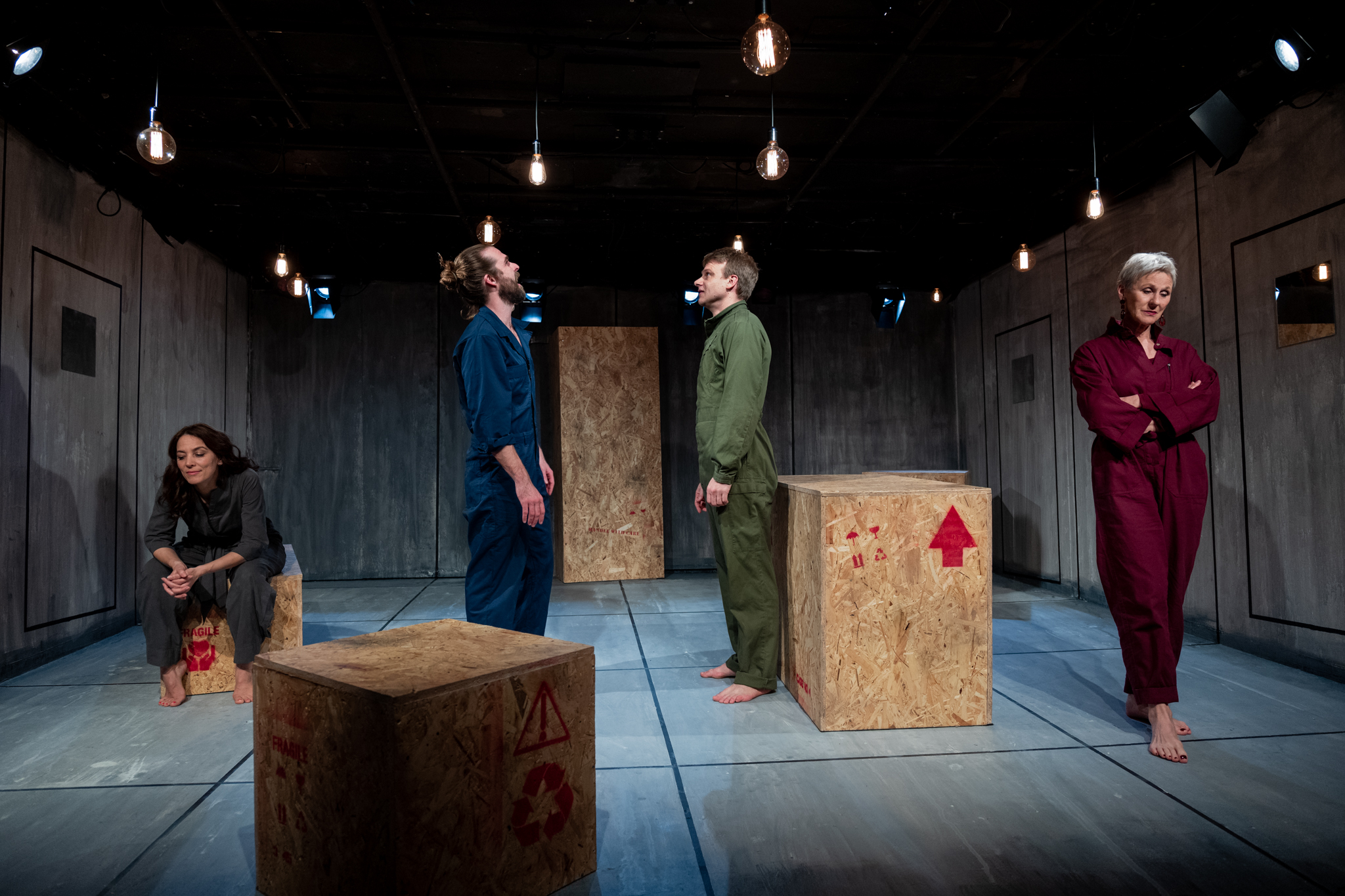
MAIRAID, theatre, Why Not Theatre Company, Teater ved Sorte Hest 2019
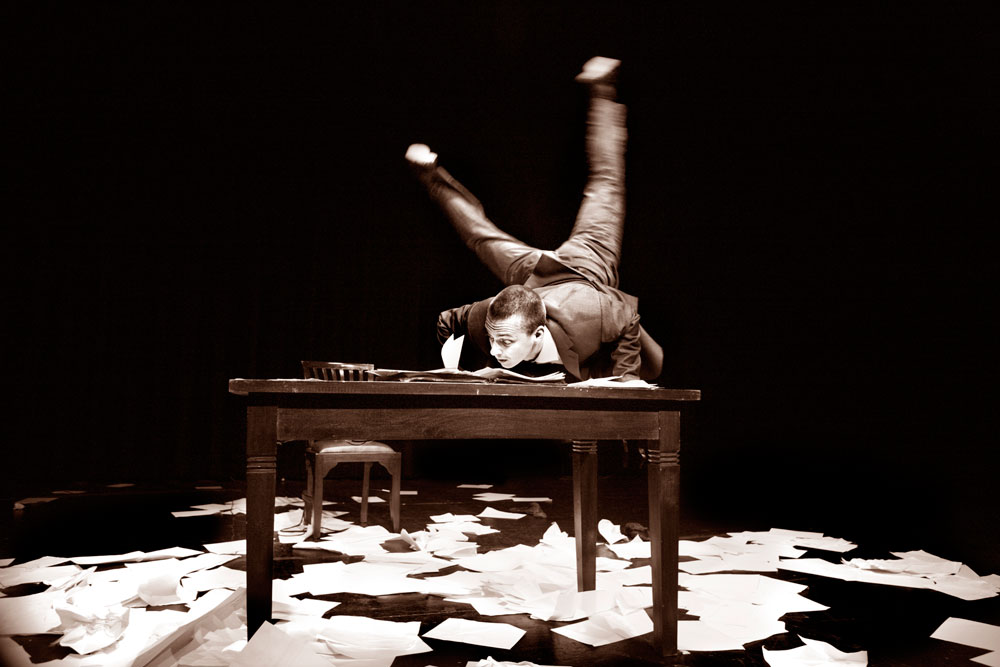
SISYPHOS ACENDING, Teater Glimt, contemporary circus, 2008 – present
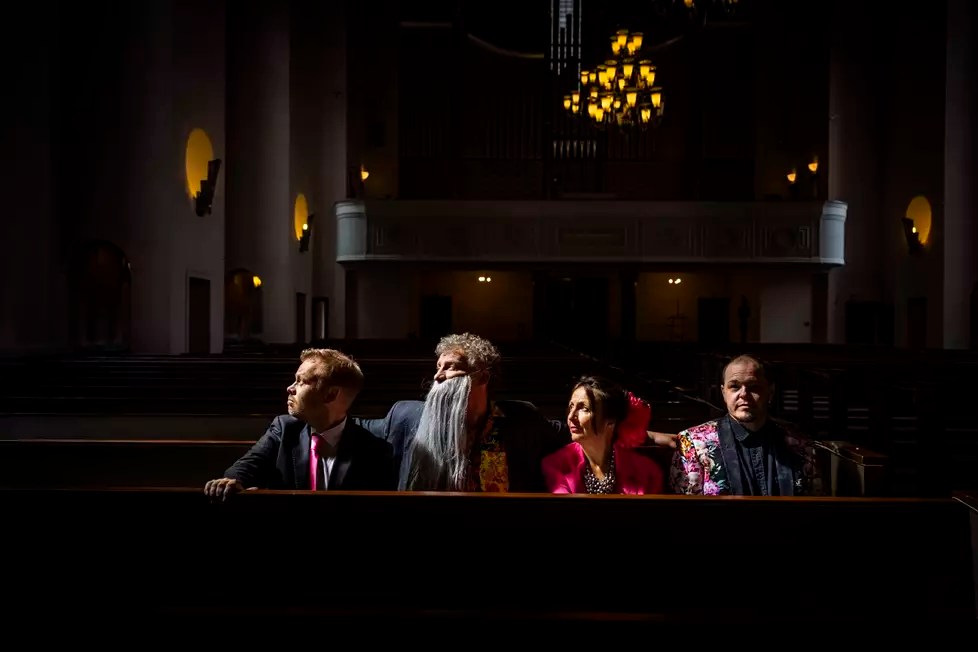
NORMAL CAKE, PLEASE, international performance, Uneasy Listening Society 2016-2022
My experience offers
- Managing and directing diverse teams
- Developing new work
- Innovative and intimate storytelling
Meetings across borders 👋
International collaborations and networks.
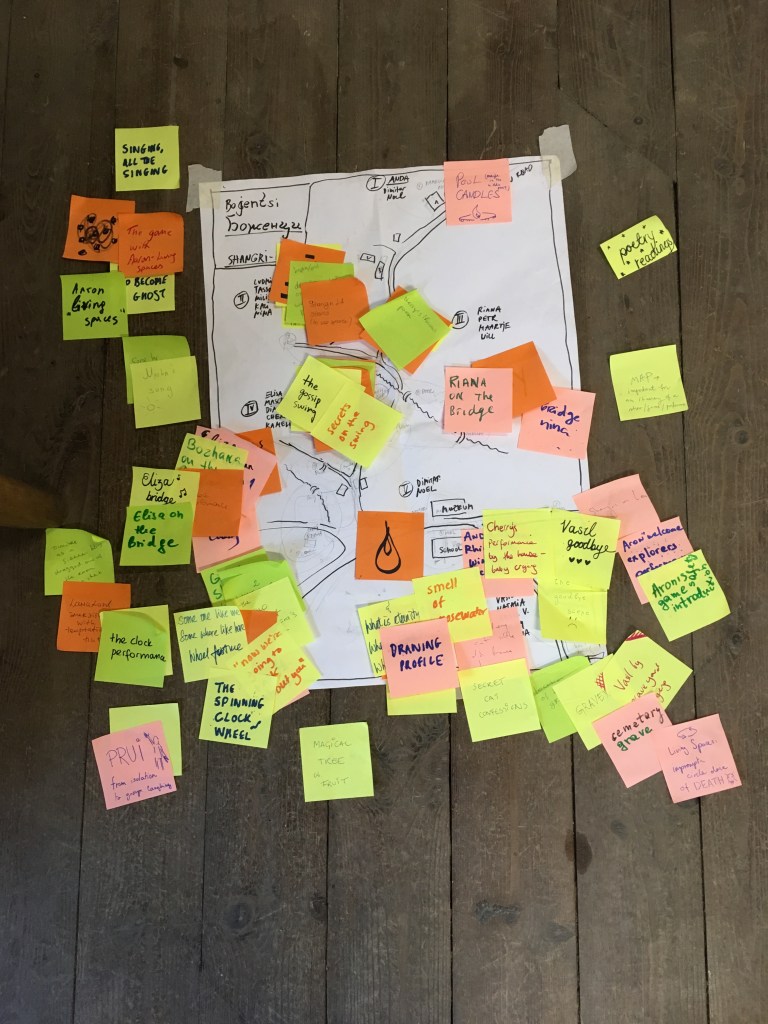
Coming from a mixed background, I’ve always felt most comfortable in international contexts. It was second nature for me to create and facilitate cross-border meeting between a diverse range of artists.
Among other projects I co-founded the @work network, a pan-European performance collaboration, that made shows, seminars, festivals in 7 european countries.
Additionally I have been on residencies in many countries such as Italy, Chile, Germany and Finland. Lately I have worked on several occasions as an artist in residence (huskunstner) with TeaterKUNST under the artistic direction of Layla Torres Mollerup.
Behind the work
Audio work and the meaning of uneasy listening.
Month
March, 2025
Performance company
2016 – 2024
The Uneasy Listening Society was created by philosopher Thomas Burø and myself in order to create contemporary performing arts experiences that focus on the beauty of listening and was active from 2016 – 2024.
The philosophy behind the work reflects the core of all the work I have done over the years in various contexts.
This was part of our approach:
- Making performances that put listening on the agenda
- Working across international borders
- Providing accessible sound art works
- Hosting a festival exploring the value of failing
Projects I loved
Leftovers from the War
Helsinki, Riga and Odsherred 2012-2014
Four nordic artists gave a personal tour of history adjacent spaces sharing fragments of their family histories. The artists belong to a generation who think that history is something you Google. But nasty middle life slapped them in the face, forcing them to look at their position in a bigger scheme of things. In doing so they created four exclusive tours of the museum, taking you on an artistic journey through their family stories.
Oops Festival: 2017-2018
Musicon, Roskilde
A festival of concepts and misconceptions of failure. We brought wonderful artists, speakers and audiences together to see how the concept of failure has been abused and manipulated in contemporary society. Artists include: Standup comedian Jamie MacDonald, performance artist Sofie Lebech, film maker Topher Campbell, Daily Fiction, Boaz Barkan, musician Jacob Bro and many more.
The Quiet Village: an audio walk of Moutallos
Paphos Culture Capital 2016
A research based audio walk of the old Turkish quarter in Paphos. We combined interview, poetic experience and storytelling in this audio journey through a forgotten part of the town.
Produced by the Uneasy Listening Society.
Have a little break…
☕️ ☕️ ☕️ ☕️ ☕️
🤍 🤍 🤍 🤍 🤍
☕️ ☕️ ☕️ ☕️ ☕️
Latest Discussions
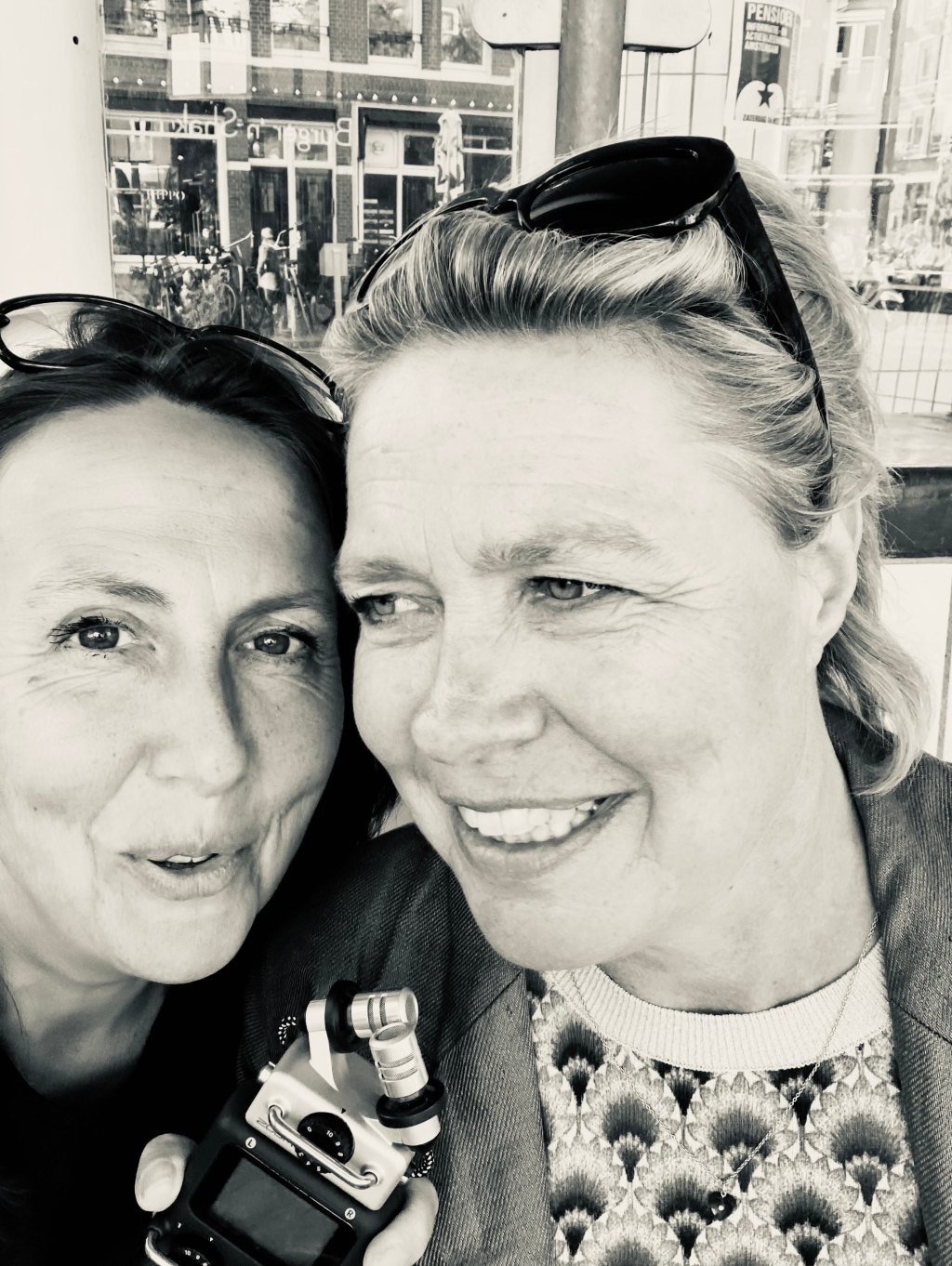
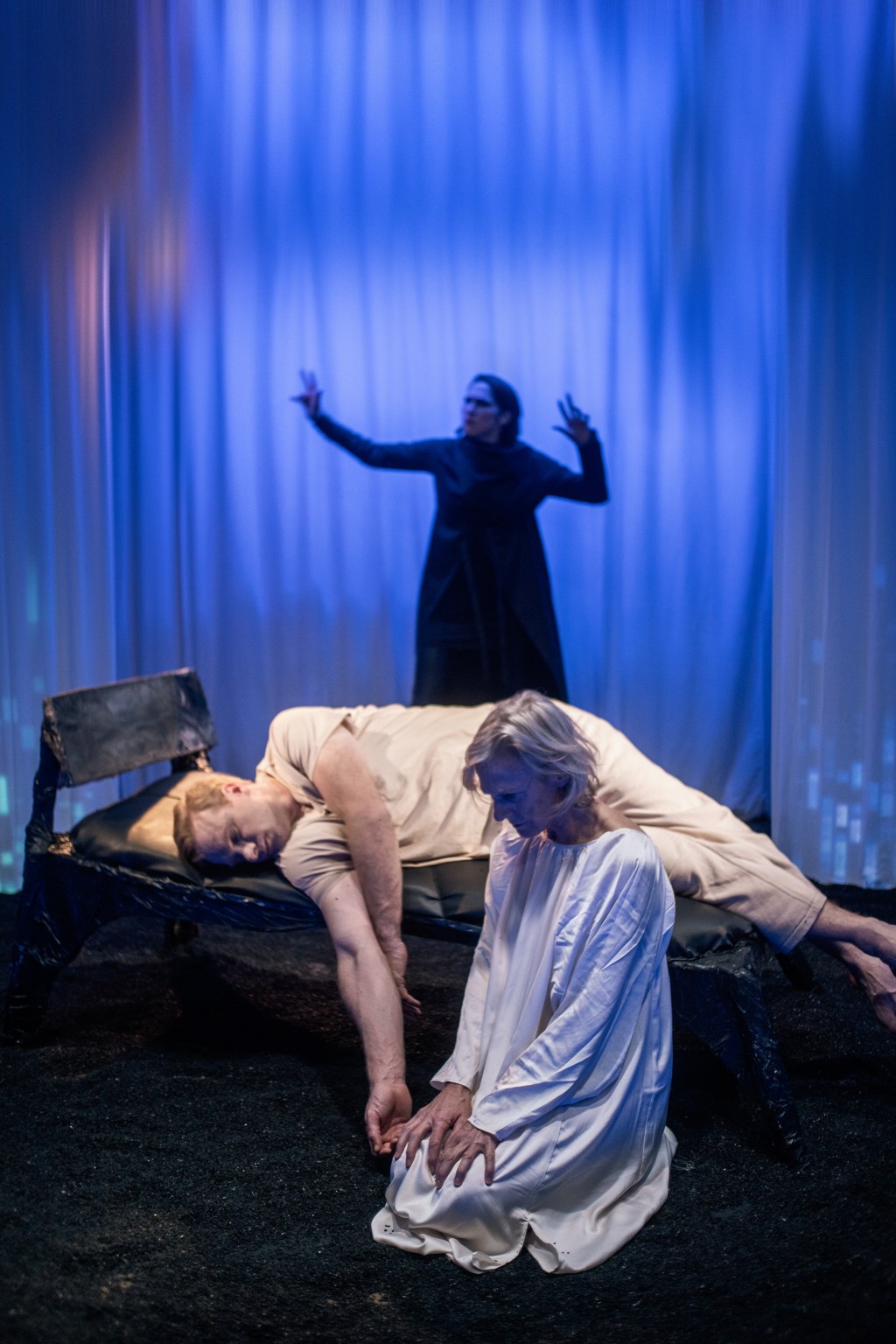
Theatre can gently change your world…
What is the role of the audience?
As a young writer I was angry with injustices in the world and thought it was my duty to write about these horrors to inform the audience. My aim was to produce one long scream on stage. Doing this might have felt important and meaningful, and possibly shocked some audiences, but invariably the message only reached people thinking just like me. My bubble.
A very special encounter with artist Enrique Vargas changed my attitude completely. I realised that a gentle, kind approach to the audience had an incredibly powerful impact. So, over the years I have worked with audience awareness and attention. And by applying a method of gentle inclusion in my shows I endeavour to create experiences that gives the audience the opportunity to reflect, feel and partake on their own terms. Every audience member matters.
What is the role of the artist?
Artists have the wonderful privilege of exploring and channeling the human experience in ways that can be communicated to others in poetic, absurd, mythological and narrative forms. Artists are alchemists, analysts, bin-men, shamans, shape-shifter, soap-box preachers, gardeners and detectives. In my work every person contributing to the performance is an artist. Each actor, sound designer and administrator contributes to the synergy of creative ideas that becomes a unique performance.
Is theatre outdated?
You need to cross town at a specific time, acquire a ticket and assemble with stangers for a couple of hours in a space with limited seating. That’s theatre. It is seems like such a time and energy consuming experience, compared with the cornucopia of dopamine hits offered on the screen in your pocket.
So, what do you get in return? At the core of each performance is presents. The theatre experience is taking place right now in a shared, physical space. A performance allows you to let go of all societal distractions and invites you to immerse yourself in one story, one subject for a while. An experience just for you. A performance is about you being allowed to reflect with strangers on a shared subject. A performance connects you with history, with human questions, with otherness and recognition. With all our ansestors who have shared stories throughout time. A performance is a radically human experience.
What is the power of stories?
Without stories there is chaos. Nothing has meaning. Every person tells a story about who they are and what they do in the world. When an unexpected event happens in the person’s story – like a divorce, job loss, illness – this story breaks down. We call this a crisis. A crisis is not only something bad. It is a gap in the story, because it can’t continue as it used to. This gap is an opportunity to rebuild the path – or construct a new totally one.
We have always shared stories in order to understand ourselves, to navigate communities and to touch the awesomeness of the universe.
Stories are all around us. Now more than ever, due to our extensive use of screens. I believe we need to become aware of how stories work, how they effect us and what power they can have on us. When studying dramaturgy, eons ago, our professor told us that theatre makers can only hold the audiences’ attention on stage for 7 minute intervals. Today, studies show, that our attention span is assessed to 8 seconds. If that sounds extreme just consider how quickly you scroll through social media posts. What does this mean for storytellers? Should we reduce and simplify our messages? Compromise on quality? Or find new ways to navigate this new challenge on our attention?
 Nina Larissa Bassett